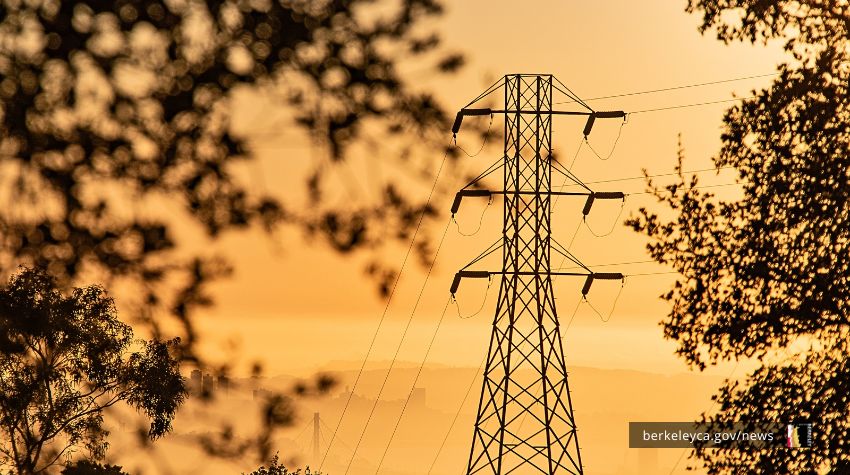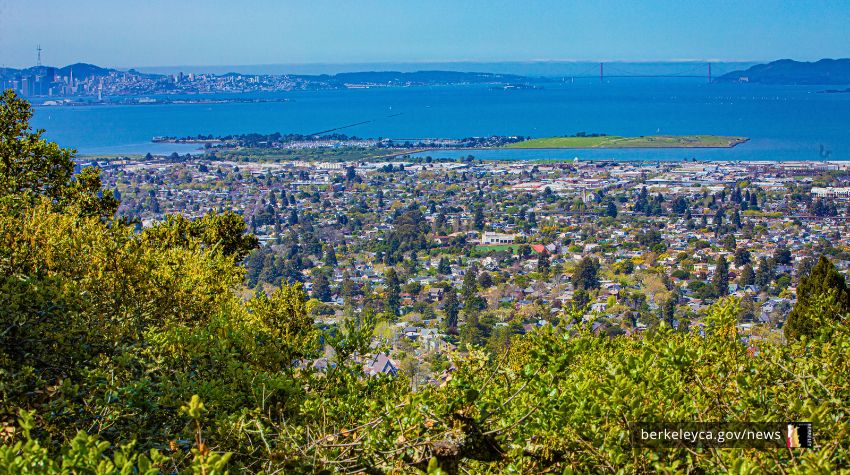
Berkeley homeowners can upgrade their windows, roofs, eaves, and vents to prevent a wildfire’s sparks, embers or heat from setting your home ablaze.
Changing building features or materials to be more fire resistant is particularly important the closer a home is to undeveloped areas like forests and regional parks.
A wildfire’s heat and embers often surge ahead of a blaze and expose vulnerabilities built into a home.
- An ember blown by winds can fall through a vent to set a home on fire – so covering vents with metal mesh is critical.
- The heat alone from a nearby wildfire can be so intense that it ignites certain building materials. As a result, multi-pane tempered windows and fire-resistant roofs can help safeguard your home.
- Embers can collect on roofs, in gutters, and along the foundation, igniting vegetation and debris which can spread fire to the roof or other parts of the structure. Sealing gaps, clearing, and enclosing gutters lowers the chance of embers entering these vulnerable areas.
Sometimes the fire risk isn’t your building. A pile of logs, a wooden fence, wooden furniture, or other flammable objects placed near your home can also ignite and expose your entire home to fire.
Don’t stop at your house. Trim trees, cut back brush, and plant fire-smart vegetation outside the first 5 feet of your home to lower your fire risk even more.
Buyers and sellers of residential or multi-use buildings with at least two residential units in the highest fire risk areas may also qualify for a tax rebate when making physical upgrades to reduce fire risk.
Making the materials of your home more resistant to heat and embers – a term often referred to as “home hardening” – might save it from a wildfire.
Roofs, windows, vents can be fortified against wildfires
Choose a Class A fire-rated roof—such as composition shingles, metal, or tile—to help protect against wildfires and embers; wood shake or shingle roofs can catch fire easily and pose a great risk to the City.
Enclose the eaves that overhang the edges of your roof and extend beyond exterior walls by using fire-resistant materials such as metal, cement, or stucco to close gaps, cracks and other vulnerabilities that allow embers to enter these weak points and ignite materials faster.
Install dual-pane windows with at least one pane of tempered glass to better resist breakage under high heat and reduce the chance of fire entering the structure.
Use metal mesh to prevent embers from entering your vents, decks, and gutters. By using metal mesh, you can maintain proper ventilation in your home while helping to reduce fire risk. You can also get free metal mesh and gutter covers through the City’s Home Hardening Mesh Program.
Making these changes to roofs, windows, vents, and other vulnerable entry points is part of home hardening and helps to strengthen your home, so fire, heat, and embers are less likely to ignite it.
Remove certain vegetation to reduce fire risk
Managing vegetation around your home—by reducing overgrowth, spacing plants away from structures and neighboring homes, and using drought-resistant plants—helps slow wildfire spread. This also gives firefighters defensible space to protect your neighborhood.
Limit flammable materials within the first 5 feet around your home including excess vegetation, dead and live plants and leaves, propane tanks, and combustible furniture or fences.
A number of City programs can help you reduce the trees, plants and brush around your home:
- Use seasonal City resources to remove dry or dead plants that could catch fire easily
- Install easy to maintain drought-resistant plants which retain more moisture and produce less dead material.
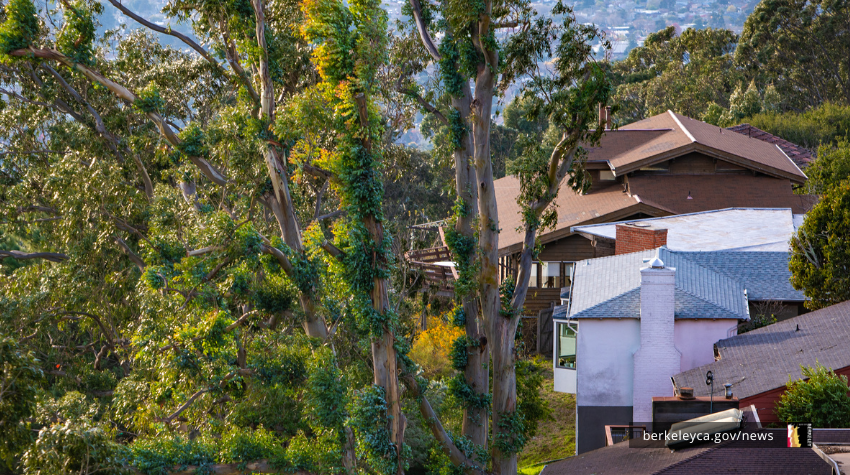
- Reduce the fire risk of your eucalyptus tree by pruning limbs, removing dead or dry leaves, and bark litter from around your tree and trunk through the one-time cleanup Eucalyptus Understudy Cleanup program.
- Request financial or logistical support from the Residence Assistance Program to help with defensible space updates.
Together, these actions reduce wildfire risk for your property and neighborhood by creating a safer space around your home.
Property owners in high-risk areas may qualify for a rebate for upgrades
Homeowners in the highest fire risk neighborhoods, including the Grizzly Peak and Panoramic Mitigation Areas, and others who live in the High or Very High Fire Hazard Severity Zones may qualify for a transfer rebate when they make physical upgrades to reduce fire risk.
To qualify for a rebate, you must also have:
- purchased your home in the past year or plan to sell your home in the next five years
- a final sale price of less than $3,000,000
- a Class A-rated roof (installation costs qualify for the rebate)
Once you confirm you are eligible for a rebate, focus on upgrades to your property that are permanent and comply with building codes such as:
- Installing non-combustible siding and trim made with cement, stucco, or metal
- Replacing combustible fences and gates from the area within five feet of the building
- Install multi-paned windows.
Strengthen your home and neighborhood against wildfires with permanent upgrades and vegetation management. High-risk homeowners may qualify for a rebate for completing these fire-resistant improvements.
Links
- High risk wildfire map
- Wildfire property upgrades:
- Vegetation and landscaping resources:
Get trusted information about the City of Berkeley by bookmarking berkeleyca.gov, subscribing to our newsletter, and following us on Bluesky and Instagram.
Media Contact