Wildfire inspections to guide risk reductions
Residents in the highest wildfire risk areas of Berkeley can schedule an annual inspection to identify hazards they should reduce or remove. You can also take actions such as removing overgrown vegetation and creating space between plants, combustible materials, and structures to help address many hazards on your property.
Inspections are required for all properties in the Grizzly Peak and Panoramic Mitigation Areas as well as other residents who also live in the Very High Fire Hazard Severity Zone.
Enter your address on Berkeley FireSafe to find out your wildfire risk area.
For those living in Grizzly Peak and Panoramic Mitigation Areas, these inspections can help those residents meet additional requirements, especially within the first five feet around their home closest to buildings, structures, and decks.
In addition to inspections, many residents in these highest risk areas can get help meeting these requirements through City programs that provide support and assistance.
Residents in High Fire Hazard Severity Zone, generally in lower hillside areas of Berkeley do not have defensible space requirements or annual inspections but should self-inspect their property and follow defensible space recommendations.
Enter your address on Berkeley FireSafe to find out your wildfire risk area and schedule an inspection to help you identify wildfire hazards on your property.
Inspections help you understand your wildfire risk
As part of the inspection, you can walk your property with wildfire experts to review conditions around your home, learn about fire code requirements, and get support in developing a plan to complete needed work. Residents may also receive information about available resources and assistance programs.
Use your private inspection report and our self-inspection checklist to reduce your wildfire risk over time with actions that can include trimming vegetation, removing combustible away from structures, and spacing plants around your yard. The private links are only viewable by you and the Berkeley Fire Department unless you give access to others.
If a property does not have a scheduled appointment, residents may still receive a visit during inspection season to complete any required and recommended inspection. Inspectors will not enter your property without permission. If an adult is not present, inspectors will either return at a later date or review areas that can be seen from the front of your property.
Access your report once your property is inspected by the code on the door hanger or by contacting Berkeley Fire:
Wildland Urban Interface Division (WUI)
(510) 981-5620
Use online portal to view, manage and get updates on inspections
Residents can see, manage and get updates on their wildfire inspection through an online portal, Fire Aside. Create an account by entering your property address and contact information then verifying your email address. Use the Fire Aside portal to keep property information up to date and access inspection records.
With a Fire Aside account, residents can also:
- Access their inspection report
- Review home hardening recommendations
- Easily contact Berkeley Fire for additional guidance
- Manage property access information
- Add details such as gate instructions or pets for property access
Sign a Right of Entry form through the Fire Aside portal so inspectors can access your property if you will not be home during an inspection. Include gate codes or other access information. Inspectors will attempt to contact residents before conducting an inspection.
Prepare your property for wildfire by reducing vegetation
Residents can take one of the most effective first steps to prepare for inspections and wildfires by removing excess vegetation around their homes. Use the self-inspection checklist to identify wildfire hazards and common vegetation issues.
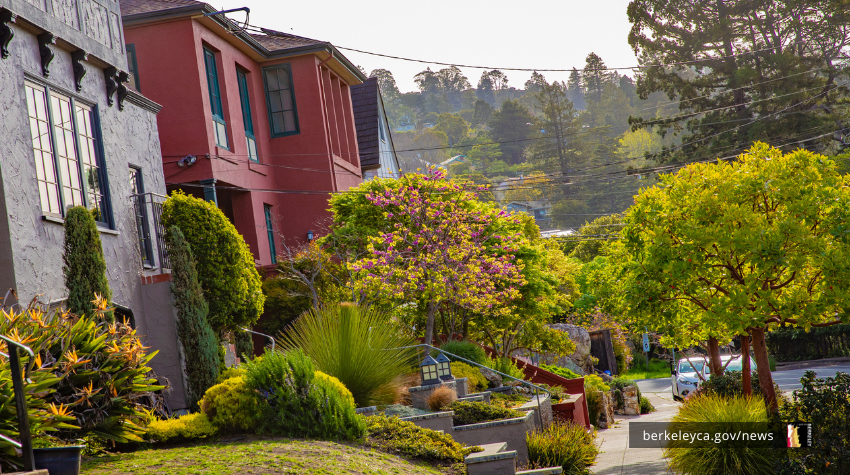
Clearing overgrowth vegetation, spacing plants and combustible items away from structures and neighboring homes helps slow wildfire spread.
These actions create defensible space—the buffer between your home and the vegetation that surrounds it—that helps protect your neighborhood and give firefighters safer access to defend homes. Use the FireSafe Berkeley Landscape Guide to help you create and maintain defensible space through practical steps, inspections, and plant choices.
Scheduling an inspection and using your inspection report to take action on recommended improvements, along with maintaining defensible space, help better protect your home and improve neighborhood safety.