
Annual Report from the City Manager
Collectively, our work in 2025 reflects Berkeley’s commitment to serving all residents.
Through careful fiscal management and collaborative planning, the City continues to turn opportunity into lasting value for residents. By leveraging local bond funding with state and federal resources, Berkeley has upgraded core infrastructure, improved civic access, and laid the groundwork for future innovation and economic growth.
What you’ll find in the summary below are not isolated efforts, but part of a larger story about resilience, inclusivity, and responsible governance. From expanded Wi-Fi and safer intersections to public art, youth programs, and zoning that supports emerging industries, these investments serve the full spectrum of daily life.
Each project, large or small, underscores a simple truth: when a city is well-resourced and well managed, it can deliver more efficient services and a better future for all.

Paul Buddenhagen
City Manager, City of Berkeley
EVERYDAY TOUCHPOINTS

From sidewalks and signage to youth centers, docks, and ball fields, Berkeley is investing in the everyday places residents experience daily.
Through integrated funding sources, including Measure T1 infrastructure bond revenue and state and federal grants, the City is upgrading its civic infrastructure. Projects like dock and restroom improvements at the Marina and the Willard Clubhouse in Willard Park exemplify the kind of community-centered design that has earned Berkeley consistent recognition in the State.
Restoration of Berkeley Tuolumne Camp and new investments like the MLK Jr. Youth Services Center and Tom Bates Regional Sports Complex upgrades further demonstrate the City’s commitment to accessible, inclusive public spaces that serve all City residents.
These improvements enhance the built environment and ensure that every interaction with City infrastructure supports a safe, connected, and vibrant Berkeley.
EASIER MOVEMENT AND FLOW
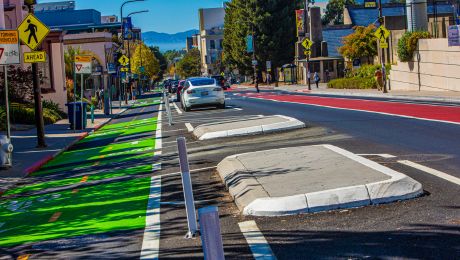
A connected city starts with safe, accessible streets. Through a mix of long-range planning and targeted quick-build projects, Berkeley is making it easier for residents to move through the city on foot, by bike, by car, or by transit.
Larger efforts like the Southside Complete Streets project reflect a coordinated approach to infrastructure, combining pavement rehabilitation, environmental stewardship, and accessibility improvements into inclusive corridors that support multiple modes of travel. At the same time, quick-build projects like the MLK Vision Zero initiative rapidly installed features such as crosswalk lighting and curb improvements to deliver immediate safety benefits in high-need areas.
A SPACE FOR EVERYONE
Residential
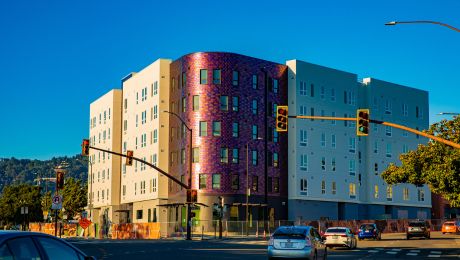
Creating a more equitable city starts with values-driven investment in the physical and social fabric of our neighborhoods. In Berkeley, this means leveraging the City’s Housing Trust Fund and Measure O bond funds, expanding access to state funding to build safe, affordable housing and ensuring that land use decisions support community benefit, sustainability, and economic stability. Over the past year, 192 new affordable housing units were completed through the City’s Housing Trust Fund program, and 13 below market rate units through the City’s Inclusionary Housing Program. Moreover, 701 affordable units are currently in the pipeline at various stages of development.
Complementing this work, the Amnesty Program for Unpermitted Dwelling Units offers a path to legalize in-law units and Accessory Dwelling Units, improving tenant safety and preserving housing options.
Commercial
To keep innovation rooted in Berkeley, the City updated zoning regulations to make it easier for startups, research labs, and manufacturers to grow here. Initiatives like Keep Innovation in Berkeley and the creation of a new manufacturing and R&D zoning district are streamlining approvals and unlocking new opportunities, helping ensure that economic growth, job creation, and technological breakthroughs continue to benefit our community. This includes recent zoning updates at the former Pacific Steel site, laying the groundwork for future business and community uses.
IMPROVING ACCESS TO INFORMATION
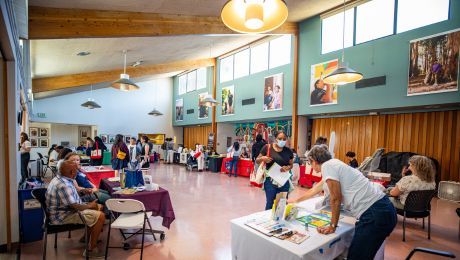
Modernizing civic infrastructure means improving not just buildings, but the way residents interact with the City. The launch of a new, mobile-friendly 311 platform makes it easier for residents to efficiently report issues, request services, and access city information.
This self-service system streamlines essential tasks while supporting Berkeley’s broader investment in digital tools that strengthen civic access and responsiveness. Expanded public Wi-Fi at the Marina reflects this same commitment to connectivity, convenience, and community impact.
The newly renovated West Berkeley Family Wellness Center on University Ave. and 6th St. furthers this commitment by co-locating public health programs and resources in one accessible location. Residents can connect with services, information, and wellness support for all ages, strengthening our community.
FUELING INNOVATION AND CREATIVITY

Berkeley’s visionary approach to economic development is opening doors for research, arts, and startups. By exempting R&D grants from local taxes and adopting innovation-friendly zoning, the City helps early-stage ventures, labs, and creative enterprises take root and grow.
Public art remains important, and we are proud of installations like Guggenheim Fellow Mildred Howard’s architectural piece in South Berkeley which shows how the arts power Berkeley’s cultural vibrancy. The award-winning Cube Gallery further reflects the City’s commitment to creativity and its identity as a hub for talent and ideas.
By making it easier for businesses and artists to grow, Berkeley is fueling scientific, civic, and cultural breakthroughs that benefit the entire community.
SAFETY TODAY AND TOMORROW
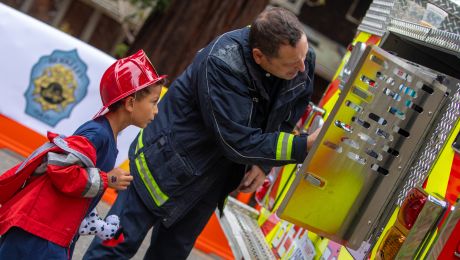
Investments in Berkeley’s public safety infrastructure are strengthening the City’s ability to deliver responsive, coordinated services that protect residents today while preparing for the challenges of tomorrow.
The Fire and Police Departments continue to operate with distinction, regularly refining how they train, collaborate, and serve the community. The Fire Department’s in-house training model ensures consistency, flexibility, and efficiency, while recent upgrades like new security cameras add a layer of safety and accountability. The Police Department remains a trusted presence, delivering high-quality service and maintaining strong community ties while enhancing safety and transparency.
Long-term planning also guides much of this work. Through its Fire Facilities Master Plan, the City is analyzing existing conditions and mapping out future needs, with the goal of securing funding and upgrading fire facilities before critical gaps arise. This proactive approach helps ensure that Berkeley’s public safety systems remain resilient and ready to serve.